For someone who always has a project underway, a useful gift can make it easier to start, experiment, or keep supplies close at hand.
These 12 ideas range from art materials and tools to practical ways of organizing a creative workspace.
12 Gift Ideas for People Who Love Making Things
U.S. Art Supply 162-Piece Mega Wood Box Artist Kit
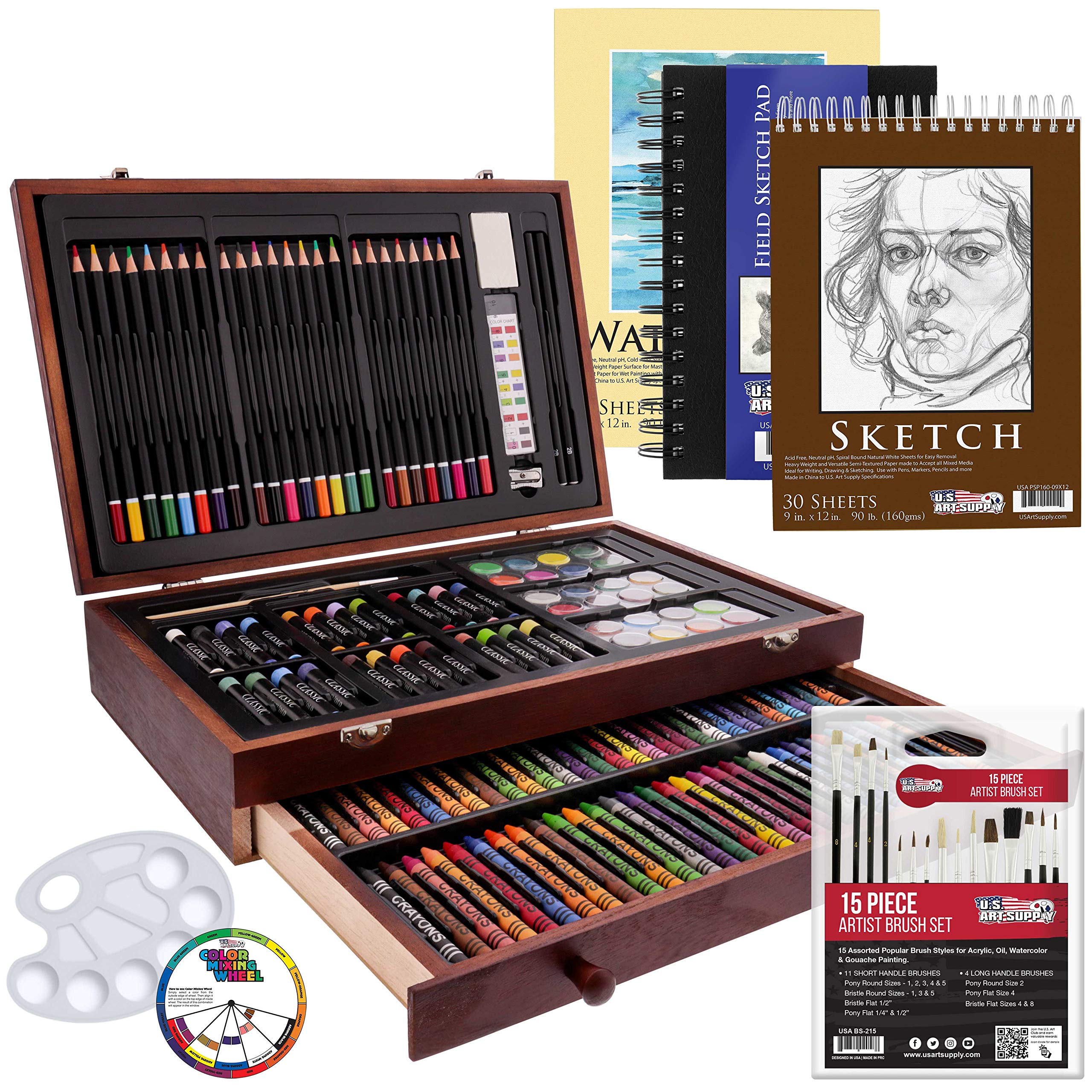
- Includes watercolor paints, oil pastels, colored pencils, crayons, and graphite pencils.
- Comes with watercolor paper, sketch paper, and a hardbound field sketchbook.
- The supplies fit in a wooden storage and carrying case.
Best Gift For: A beginning artist or curious maker who wants a broad range of drawing and painting supplies in one set.

U.S. Art Supply Large Beechwood French Easel
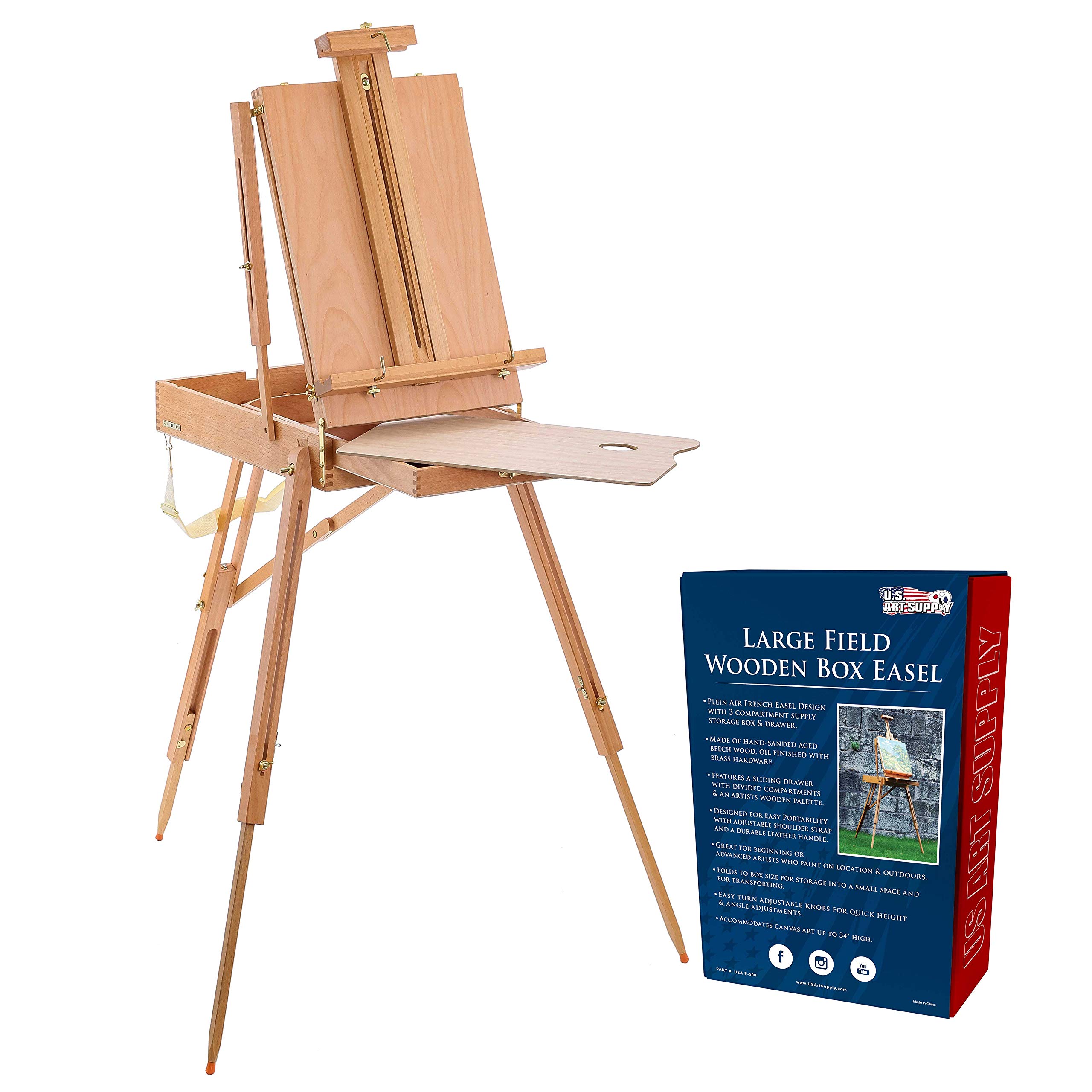
- Adjustable sketchbox easel with an 18-inch wooden palette.
- Folds compactly and has a leatherette handle and shoulder strap.
- The interior has compartments and room for art supplies.
Best Gift For: A painter who wants a portable setup for field sessions or studio work.
Primrosia 60 Dual Tip Marker Pens
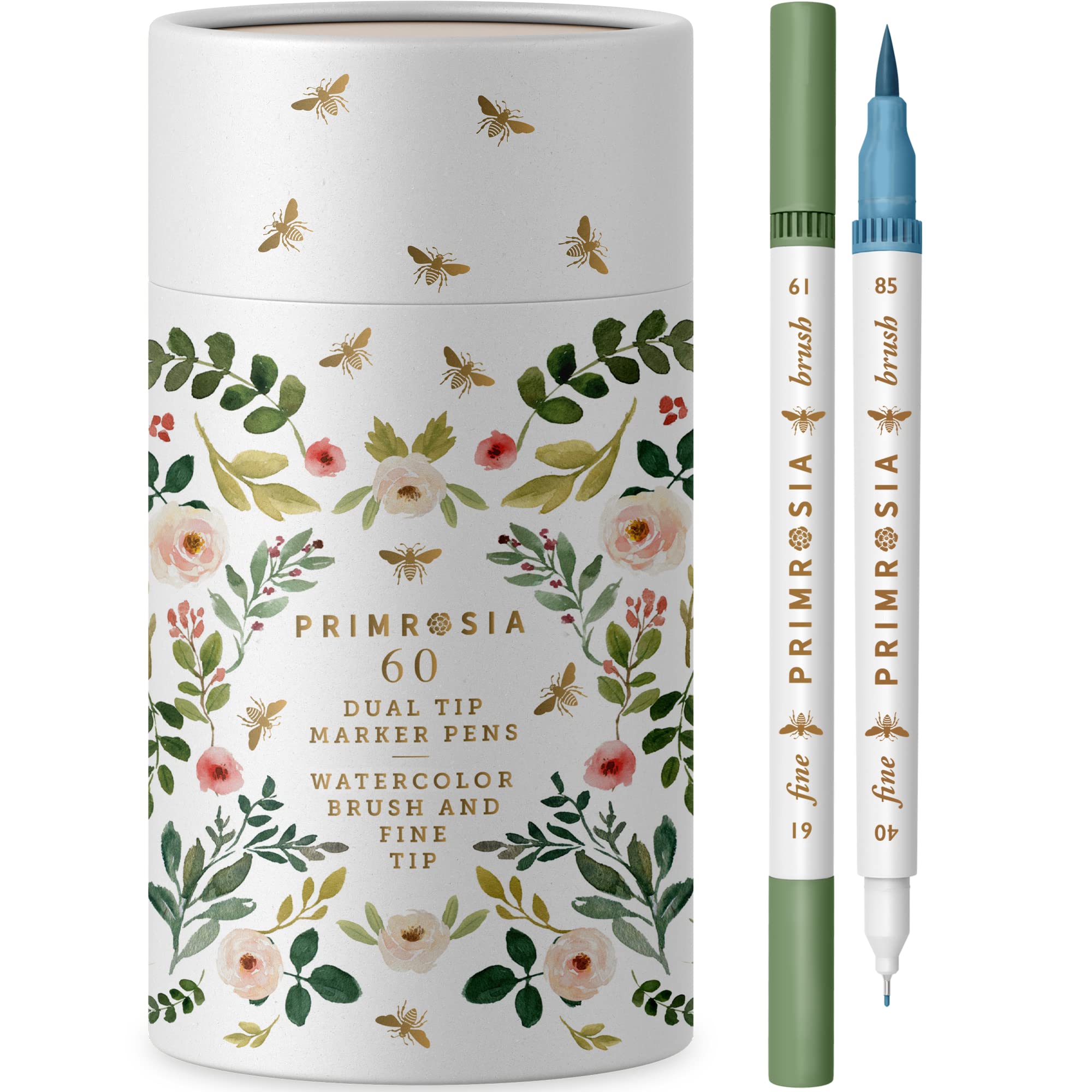
- Each marker combines a brush tip and a fineliner.
- Offers a range of 60 colors.
- Add water for a watercolor effect on suitable paper.
Best Gift For: A journaler or illustrator who enjoys switching between colorful brush strokes and fine outlines.
U.S. Art Supply Professional 24 Color Outdoor Acrylic Paint Set
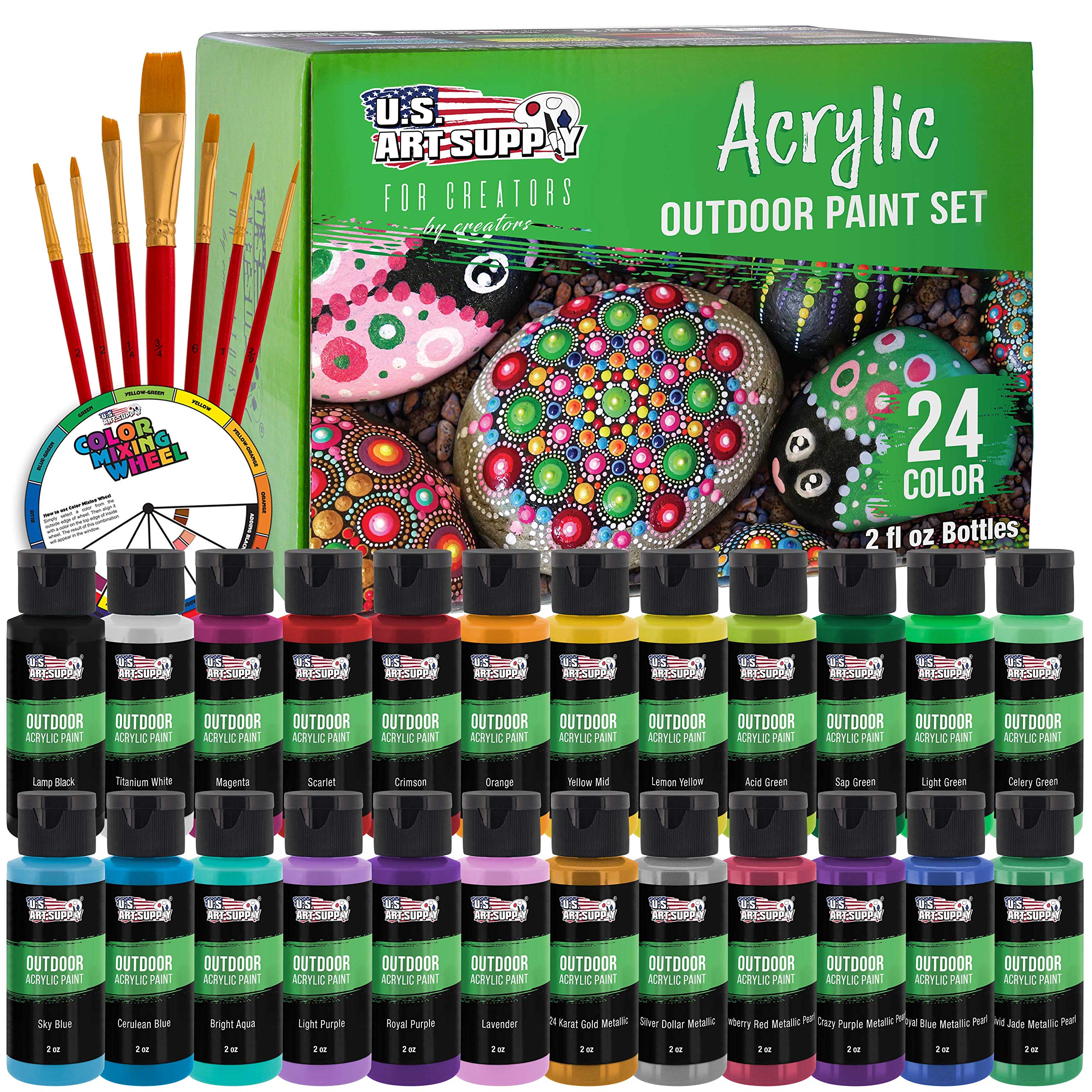
- The set includes 24 colors in 2oz bottles.
- The acrylic paints are intended for indoor and outdoor painting.
- Seven brushes have flat and round nylon tips.
Best Gift For: A maker who likes painting canvas, rocks, wood crafts, or toys.
SINGER ProSeries Sewing Scissors Bundle, 3 Count
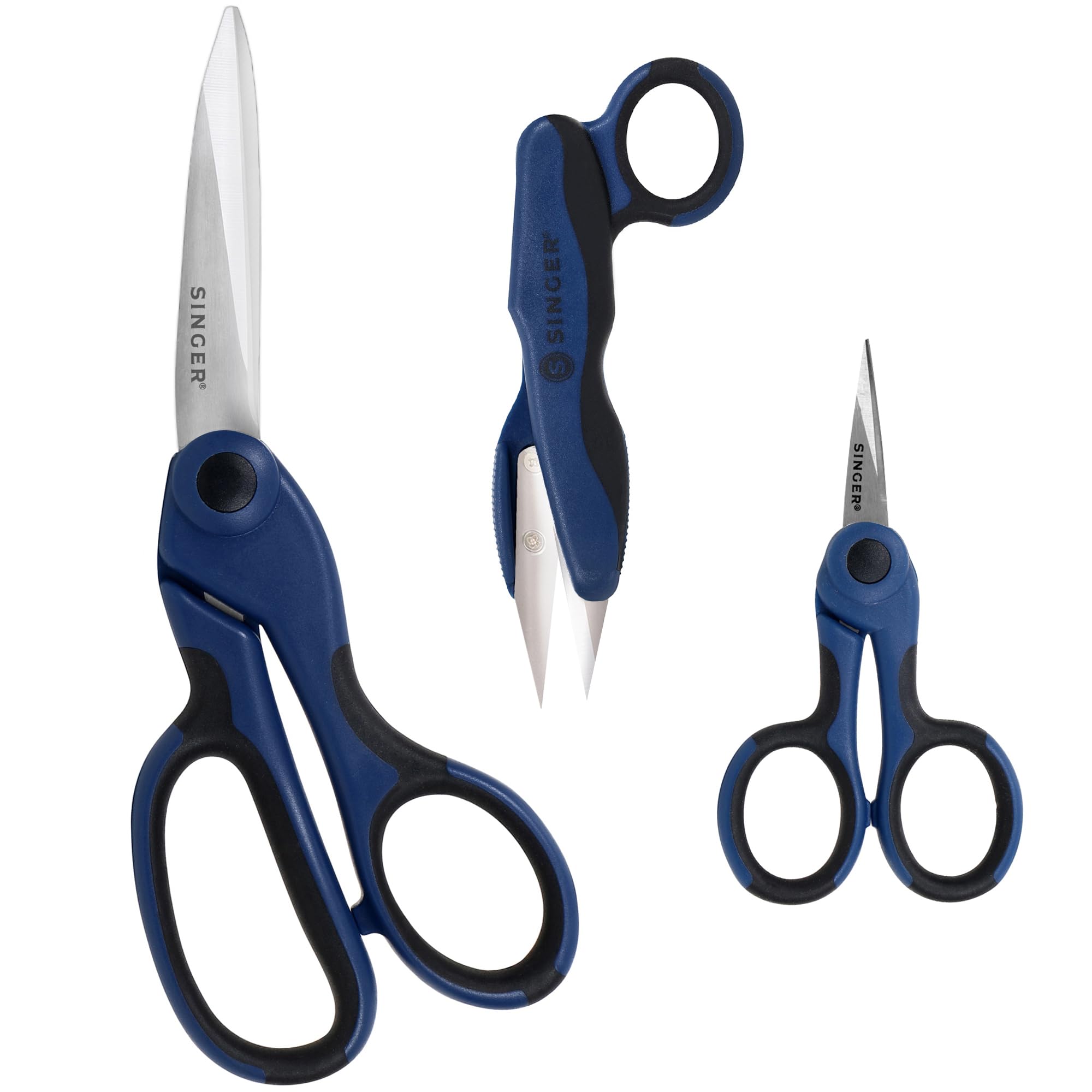
- The bundle includes fabric shears, detail scissors, and thread snips.
- The detail scissors are designed for precision cutting tasks.
- The tools have comfort grip handles and suit left- or right-handed use.
Best Gift For: A sewing or quilting enthusiast who would use dedicated cutting tools for fabric, detail work, and thread.
Elizabeth Ward Bead Storage Solutions Tray with 78 Containers
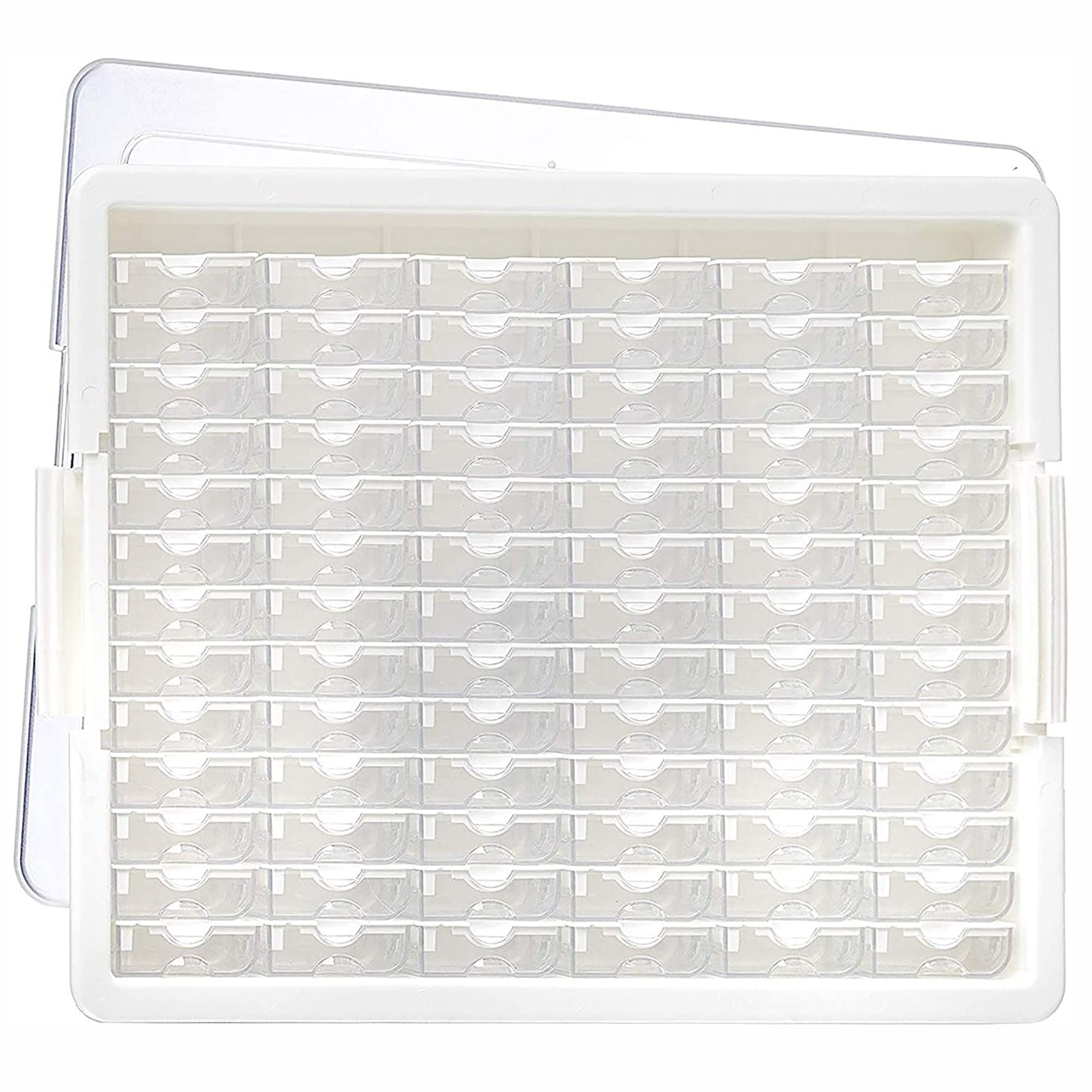
- The tray comes with 78 small containers, labels, and a lid.
- The containers can be removed to sort small supplies.
- The clear tray is stackable for storing craft supplies.
Best Gift For: A jewelry maker who wants small beads and findings sorted and accessible while working.
HOTO Cordless Mini Hot Glue Gun with 10 Colored Glue Sticks
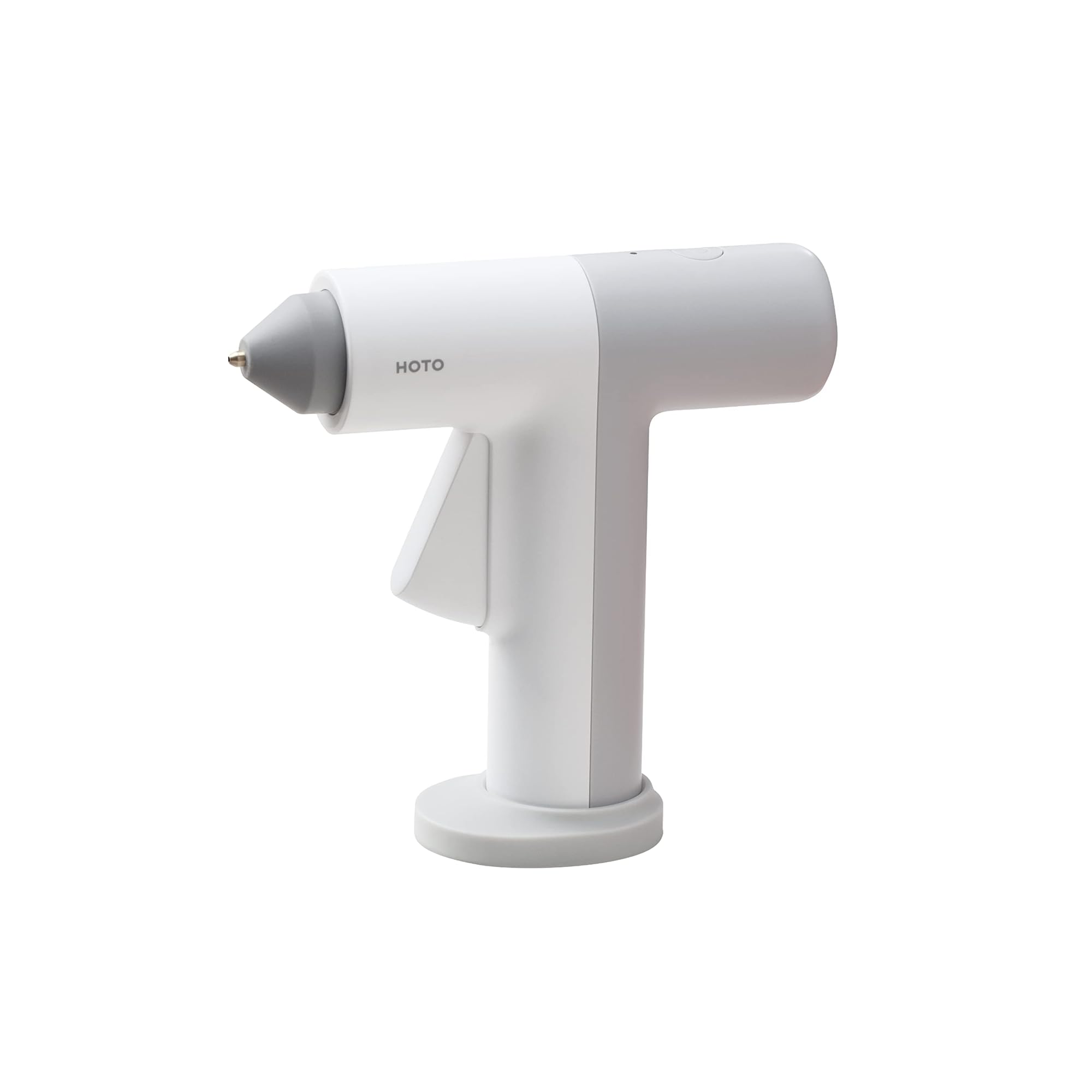
- Heats up in about 30 seconds.
- Includes 10 mini glue sticks in colored glitter and transparent styles.
- USB-C charging makes recharging convenient.
Best Gift For: A crafter who makes cards, decorations, or small home projects and appreciates a cordless tool.
U.S. Art Supply 11" x 17" Artist Sketch Tote Board
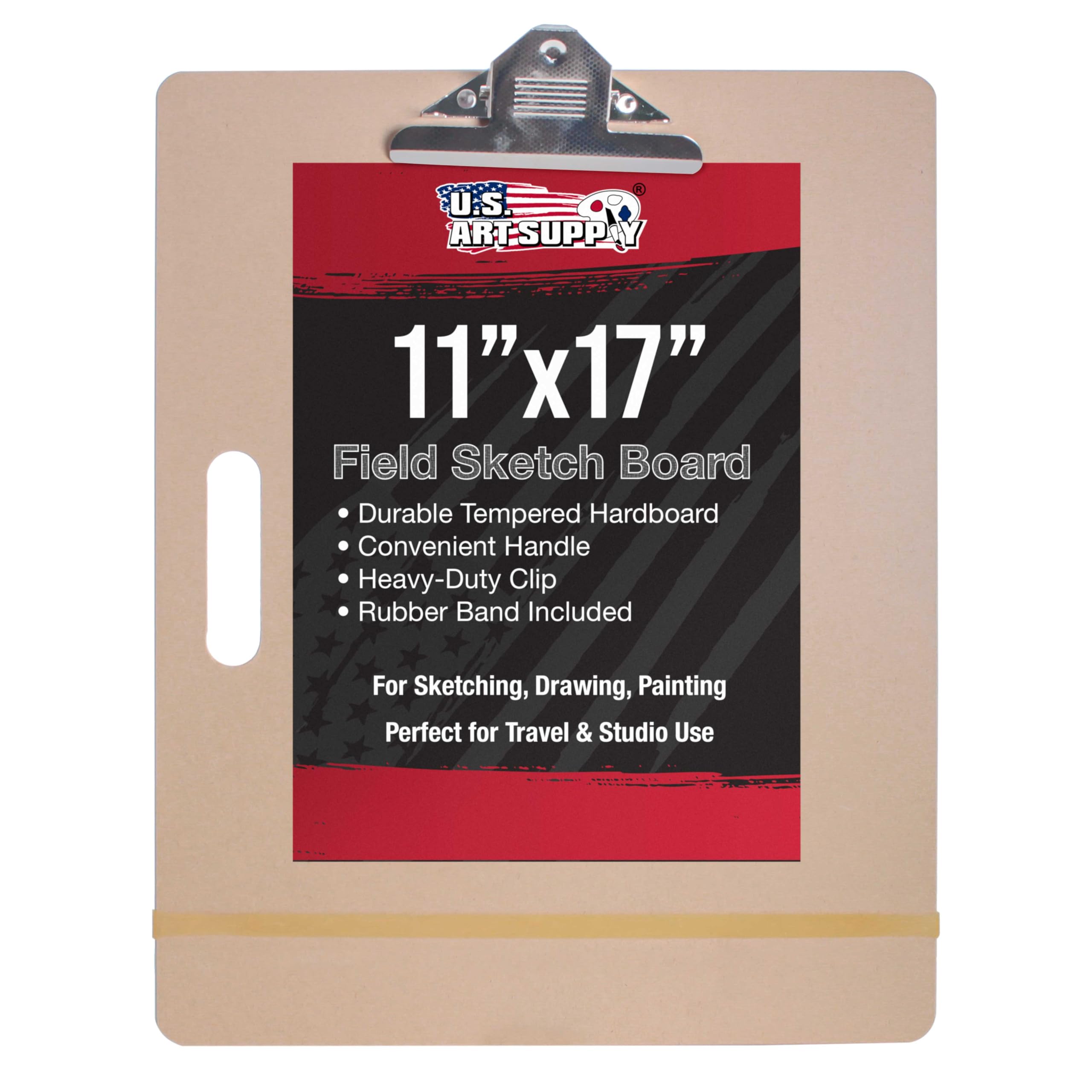
- A built-in handle makes the board easy to carry.
- A spring-loaded clip and elastic band hold paper or canvas in place.
- The tempered hardboard surface supports sketching, drawing, and painting.
Best Gift For: A sketcher who brings paper or a canvas to classes, outdoor sessions, or other workspaces.
U.S. Art Supply 11"x14" Sketchbooks, 2-Pack
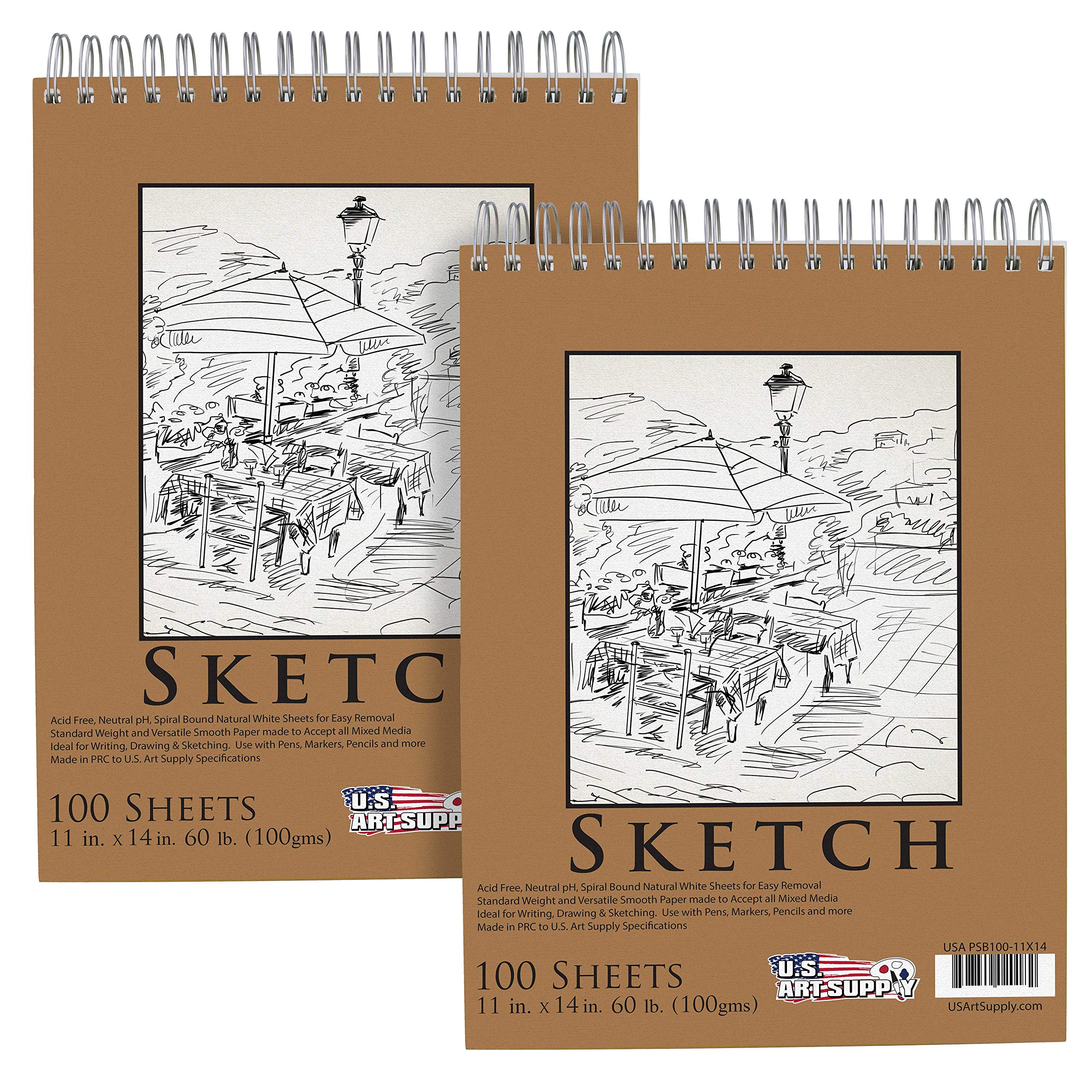
- The two sketch pads provide 200 sheets total.
- The smooth white paper is acid-free and suitable for dry media.
- Top spiral binding helps with page turning.
Best Gift For: An artist or student who fills sketchbooks regularly and wants paper for drawing and writing.
Mr. Pen Colored Pencils for Adult Coloring Books, 36 Pack
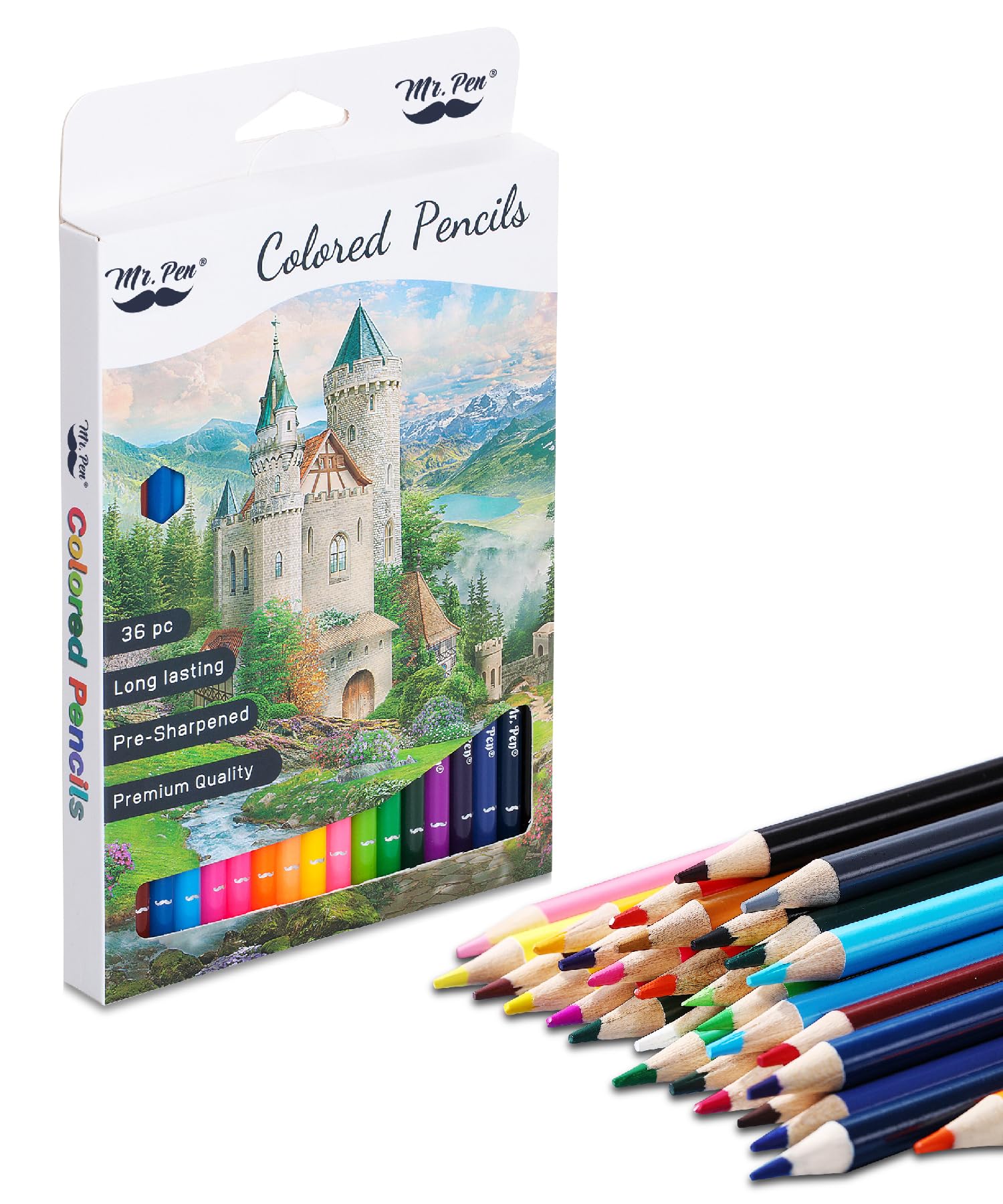
- The pack includes 36 pre-sharpened colored pencils.
- The pencils are intended for art projects, assignments, and coloring books.
- The wood is made for clean, easy sharpening.
Best Gift For: An adult coloring fan or sketcher who enjoys blending and shading with colored pencils.
Mr. Pen Acrylic Paint Brushes Set, 100 Pack
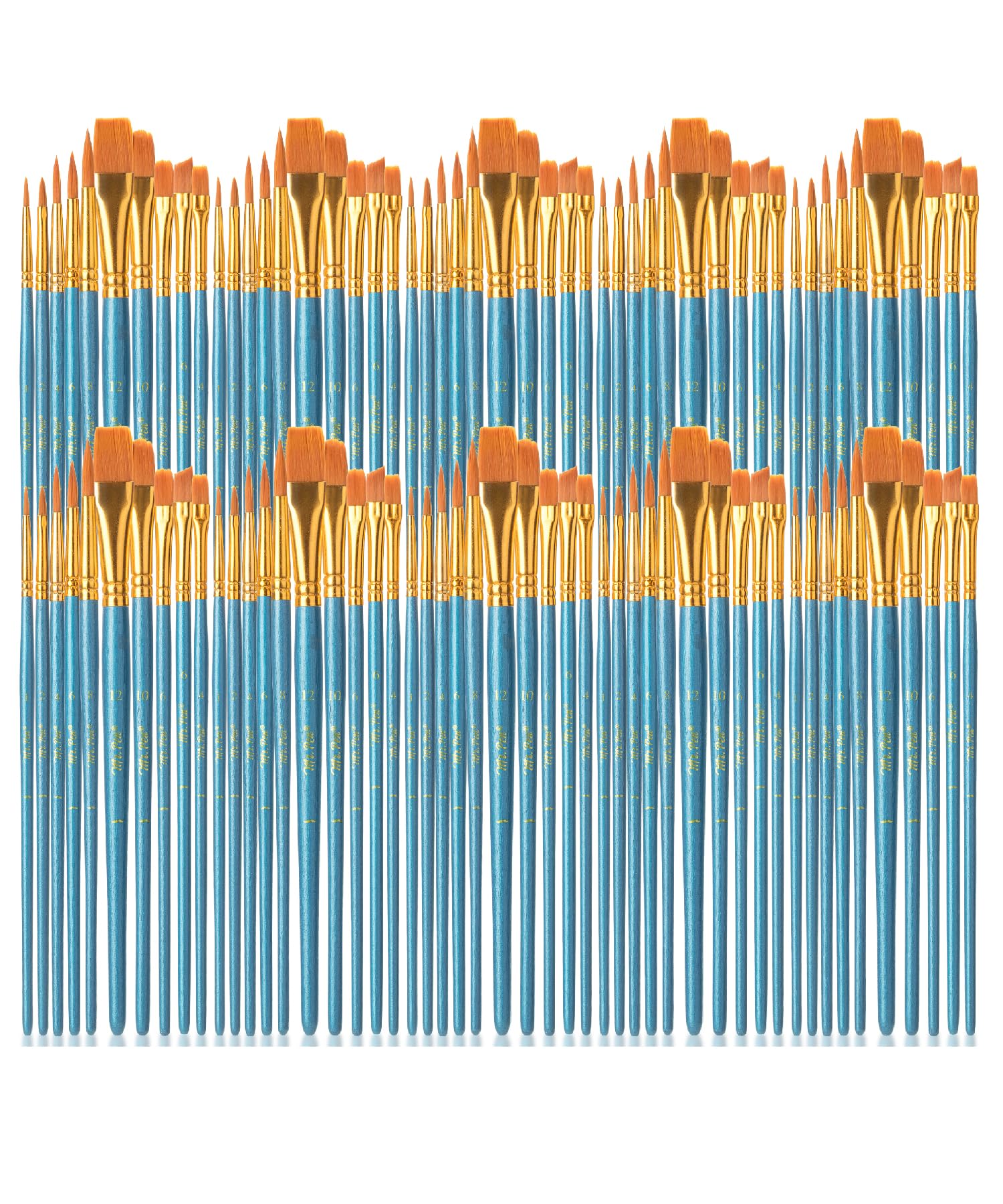
- The set comprises 10 sets with 100 pieces total.
- A variety of shapes and sizes supports detail and broad strokes.
- The brushes have lightweight handles designed for a comfortable grip.
Best Gift For: A classroom, hobby group, or busy maker who needs brushes for varied painting tasks.
10X Rectangle Magnifying Lamp with 5 Color Modes
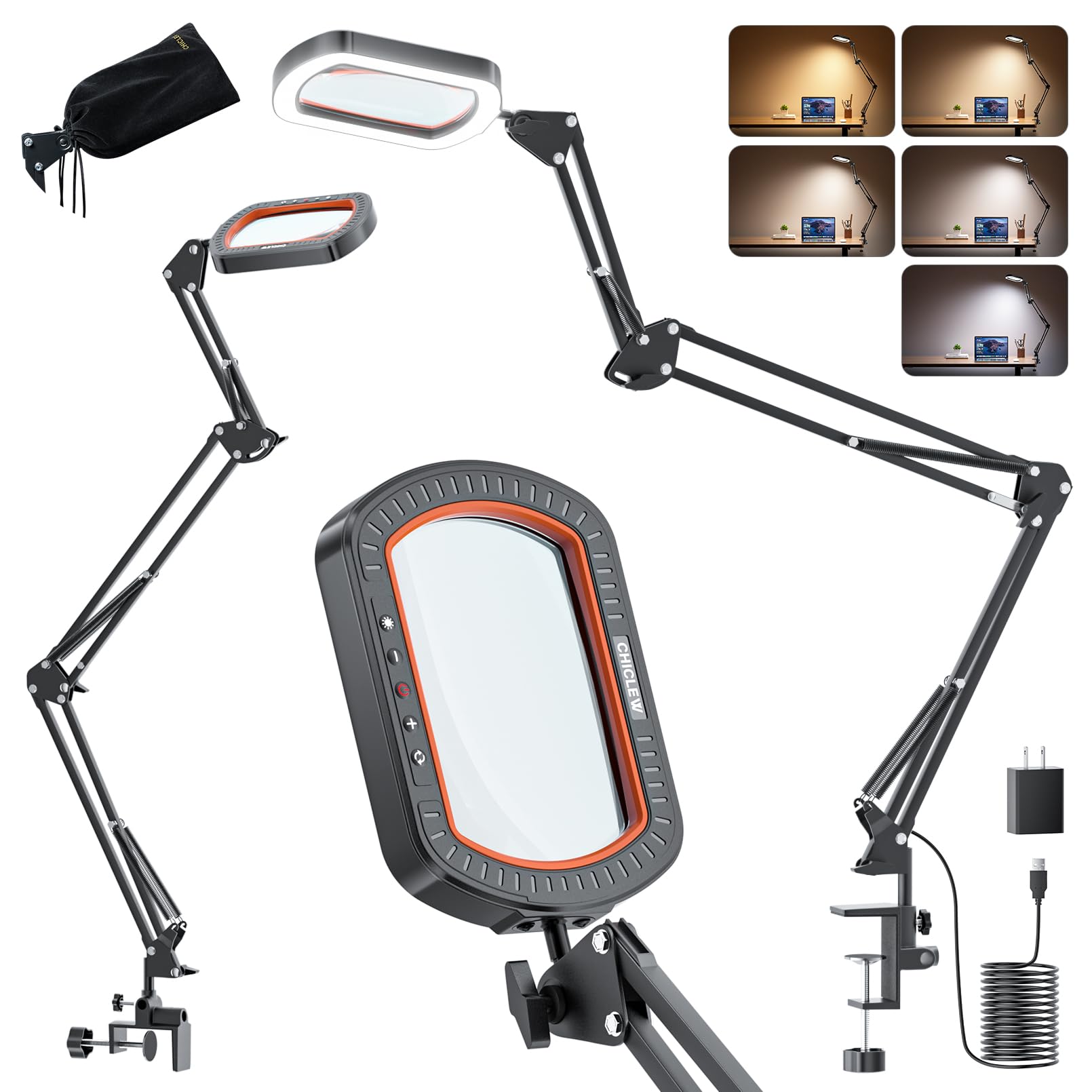
- The rectangular glass lens is designed for detailed viewing.
- Choose among five color modes and adjust brightness.
- The lamp clamps to a desk or work surface.
Best Gift For: A maker who needs magnification and adjustable light for detailed close work.
1. Start with the way they like to make
For gifts for people who love making things, start with the projects they return to when they have a free afternoon. Someone who sketches on the train may appreciate portable supplies, while a painter who settles into a studio may get more use from a stable setup and materials that stay within reach.
Notice what they already keep on the table: open notebooks, fabric scraps, jars of beads, or a half-finished card. Those clues suggest whether they would welcome fresh materials, a tool that supports a familiar technique, or a way to make a crowded workspace easier to use.
If you are unsure about a particular medium, choose something that complements what they already enjoy. A sketchbook can invite practice without dictating a subject, and an organizer can support an established jewelry project without asking them to change how they work.
2. Match the gift to the budget and the workspace
Creative gifts span small replenishments and larger tools. Set a comfortable budget first, then consider whether a focused supply or a more complete setup makes sense for the occasion.
A modest material gift can feel considered when it suits a regular activity; a larger purchase works best when you know the recipient has room and interest for it.
Think about where the project happens. A portable board or compact supplies may suit someone who visits classes or works at a kitchen table, while a larger easel may need a dedicated corner.
For storage gifts, consider whether they handle tiny components or broader art materials, and whether the recipient prefers supplies visible or tucked away.
Before ordering, check current prices, dimensions, and compatibility with the person's existing materials and workspace. Paper texture, tool size, and storage footprint can affect whether a gift feels convenient in practice, so confirm those details against the recipient's needs rather than relying on a broad category name.
3. Make gifts for people who love making things personal
A thoughtful gift reflects how someone creates, not just the craft aisle they visit. For gifts for people who love making things, connect the choice to a project they have mentioned, a medium they are learning, or a small everyday frustration they would appreciate solving.
Presentation can make practical supplies feel personal. Pair a tool with a handwritten note naming the kind of project you hope it supports, or wrap paper and materials with a card inviting the recipient to choose the first afternoon's subject.
Keep the note open-ended so it feels like encouragement, not an assignment.
If you are giving a shared supply, consider the setting and the people who will use it. A classroom or family craft table may benefit from accessible materials, while an individual maker may prefer a tidy, personal kit.
A simple label or reusable box can help keep the gift organized after the wrapping is gone.
4. Choose a useful gift without guessing
A familiar hobby can still have specific preferences. Makers may favor certain paper surfaces, brush shapes, colors, or ways of storing materials, and an appealing tool can be less useful if it does not suit their usual projects.
When possible, ask a friend or family member what the recipient already owns or has been wanting.
If you cannot check, favor gifts with an obvious place in their routine: paper for someone who sketches often, or a way to sort small pieces for someone already working with beads. Keep the receipt or gift details accessible when practical, especially for purchases that need to fit a particular workspace or existing setup.
Avoid adding extra supplies just to make a gift look larger. A thoughtful, well-matched item is easier to use and store than a bundle that creates new clutter.
If you do include a small companion item, choose one that directly supports the recipient's current projects.
5. Plan ahead, and keep last-minute choices practical
For a planned occasion, leave time to verify the product's current details, dimensions, compatibility, and delivery estimate before checking out. A tool that needs a particular surface or workspace is easier to give when you know it will fit the recipient's setup.
Keep the gift flexible if the maker's preferences are uncertain.
For a last-minute choice, think about what they can use without reorganizing their whole work area. Familiar, easy-to-store materials or a useful accessory can be simpler to give than a large piece of equipment.
Check the delivery estimate at purchase time, and choose a backup that still suits their creative routine if timing looks uncertain.
Include a short note explaining why you chose it and leave room for the recipient to decide how to use it. That small touch makes a practical present feel considered, whether it becomes part of a regular project, a new experiment, or a tidy reset for the next time inspiration arrives.