Art students use different tools for different classes, projects, and working styles. A useful gift can replenish everyday materials or make it easier to draw and paint wherever inspiration strikes.
These nine ideas range from approachable supplies to larger studio and workspace additions, so you can match the gift to the student’s interests and setup.
9 Gift Ideas for Art Students
U.S. Art Supply 162-Piece Mega Wood Box Artist Kit
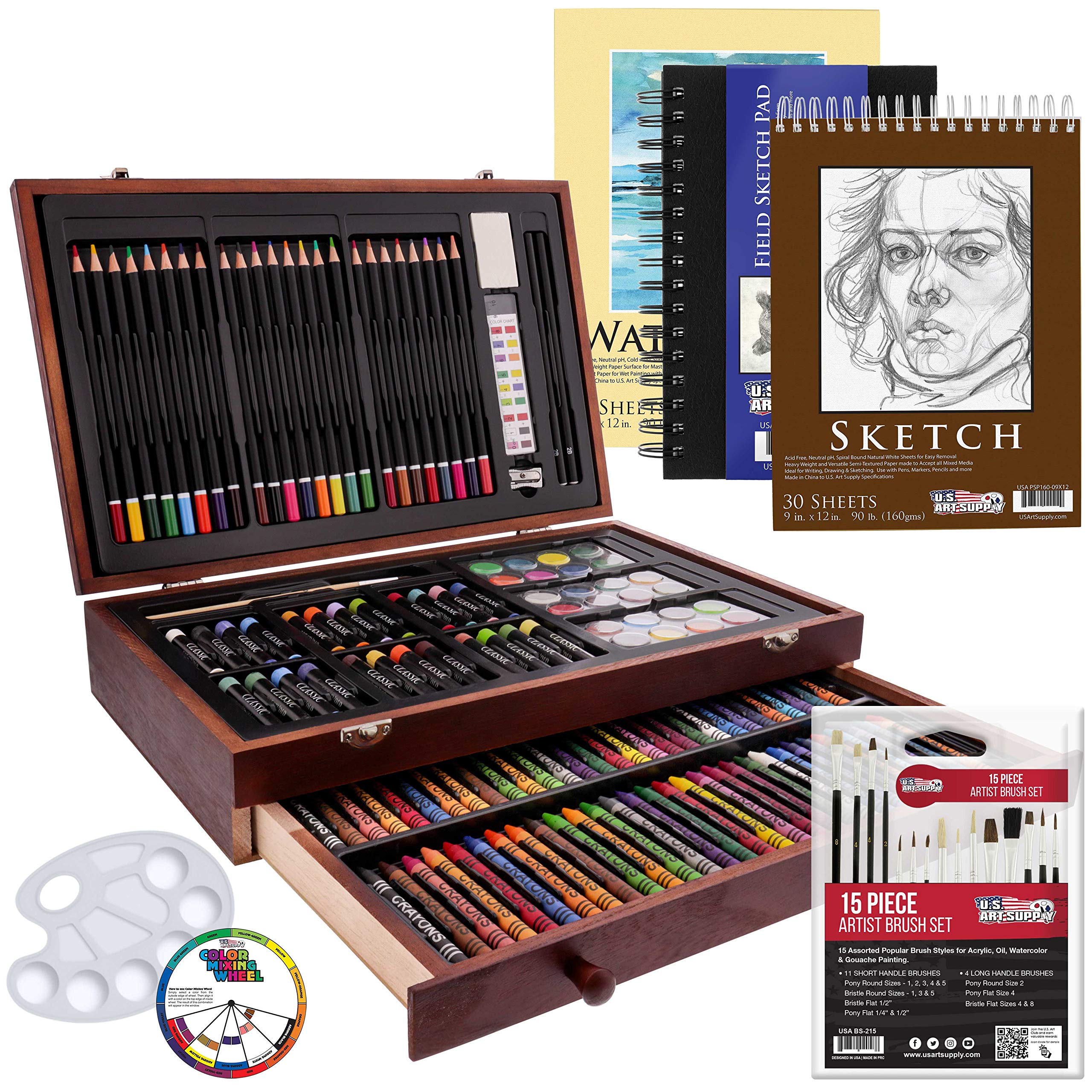
- The set includes watercolor paints, oil pastels, colored pencils, crayons, graphite pencils, and brushes.
- Comes with watercolor paper, sketch paper, and a hardbound field sketchbook.
- The supplies fit into a wooden storage and carrying case.
Best Gift For: An aspiring artist or art student ready to explore several drawing and painting materials.

U.S. Art Supply 11"x14" Sketch Book, 2-Pack
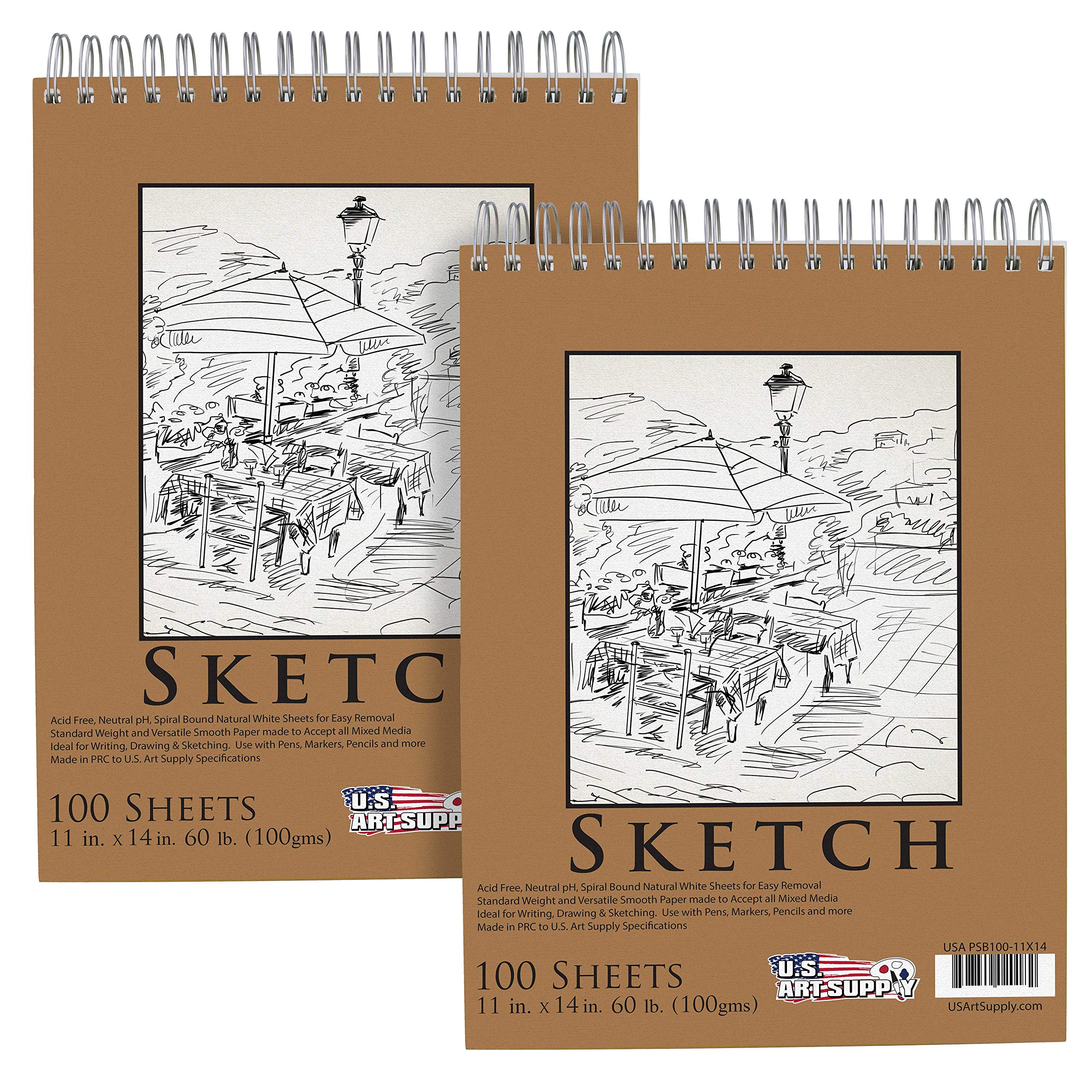
- Includes two sketch pads with 100 sheets each.
- The acid-free, neutral pH paper suits most dry media.
- Top spiral binding makes page-turning easy.
Best Gift For: Aspiring artists, art students, and professional artists
Primrosia 60 Dual Tip Marker Pens
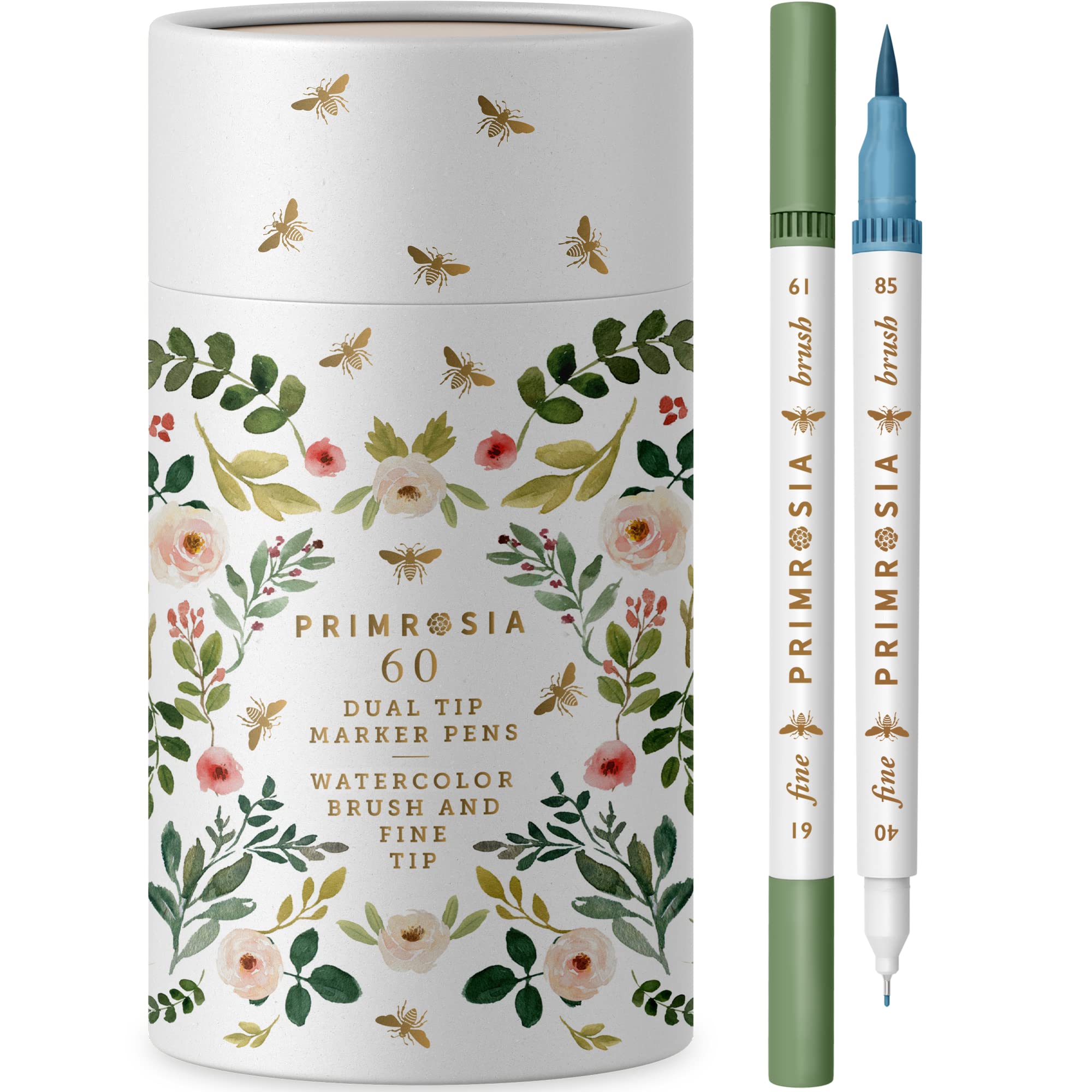
- Each marker has a brush tip and a fineliner tip.
- The fineliner is suited to outlines and detail.
- Water can be brushed over the ink for a watercolor effect on suitable paper.
Best Gift For: An art student who enjoys illustration, lettering, or adding color and outlines to a project.
Mr. Pen Colored Pencils, 36 Pack
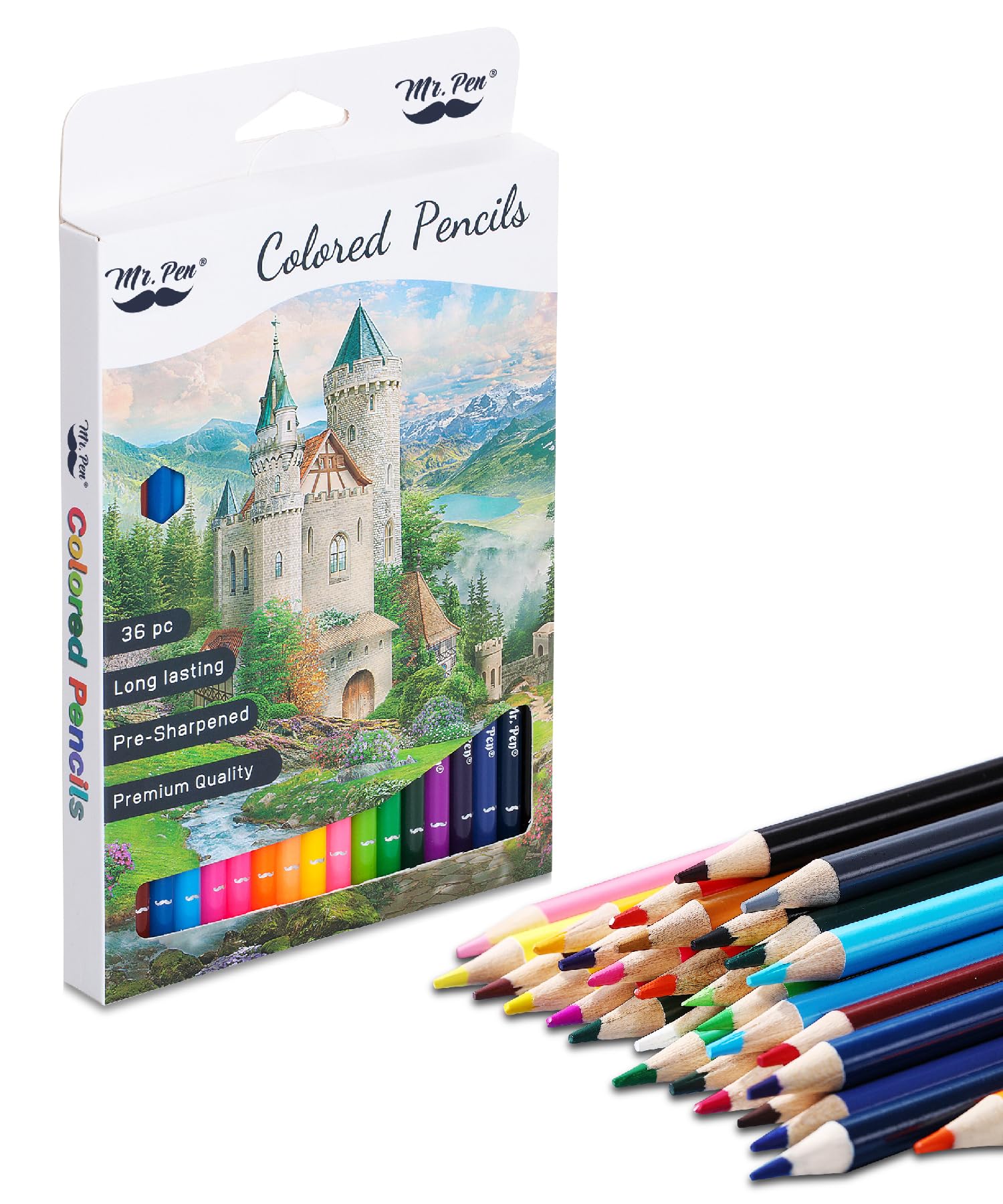
- The set includes 36 pre-sharpened colored pencils.
- The soft-core pencils are suitable for blending and shading.
- The pencils are made from wood for easy sharpening.
Best Gift For: A student who likes drawing, coloring books, or adding colored-pencil work to assignments.
U.S. Art Supply Outdoor Acrylic Paint Set
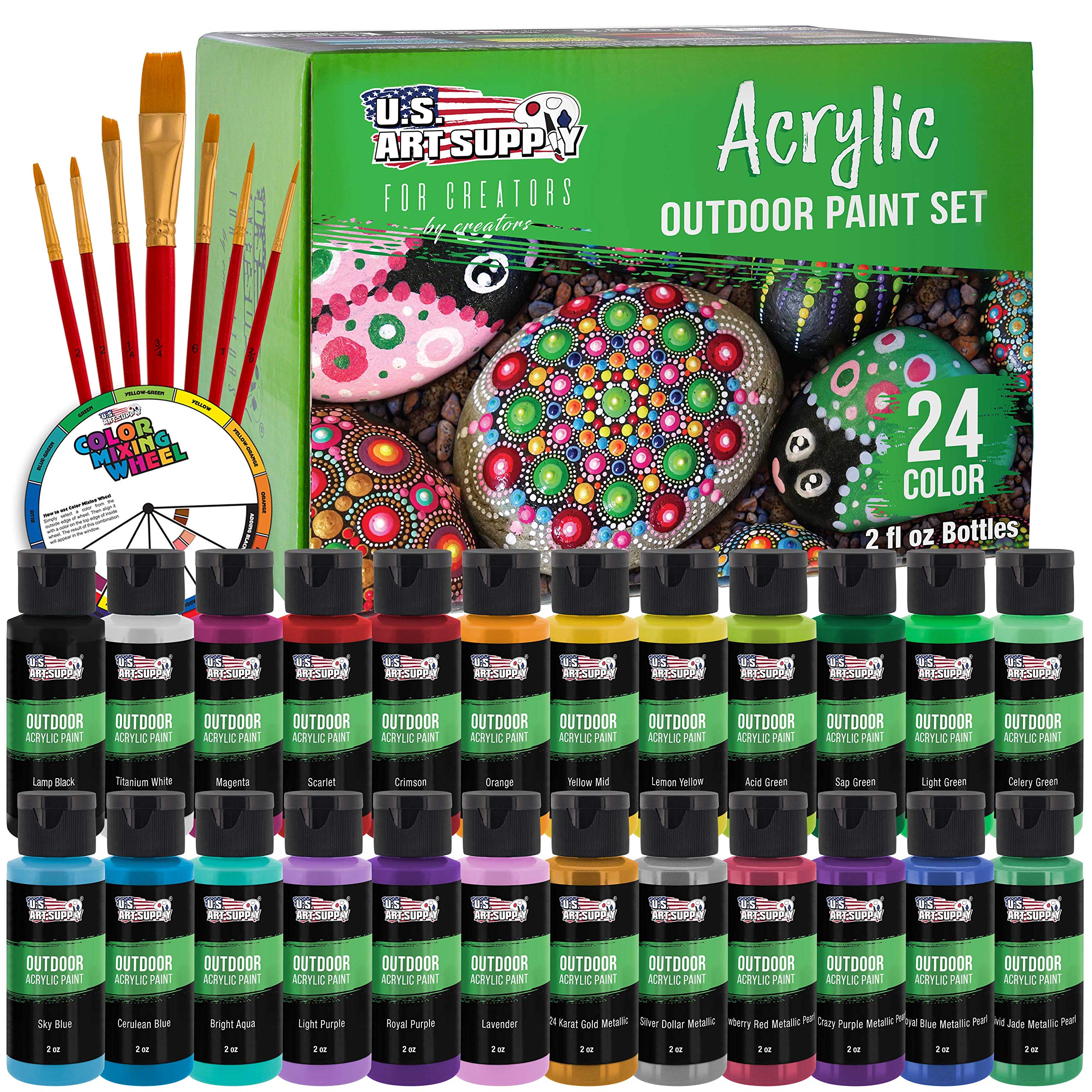
- The set includes 24 colors in 2oz bottles.
- The water-based paints are non-toxic.
- The set includes a color mixing wheel with artist terms and definitions, plus seven premium brushes with flat and round nylon tips.
Best Gift For: A student who wants acrylic colors for canvas, rock, or wood projects.
Mr. Pen Acrylic Paint Brushes, 100 Pack
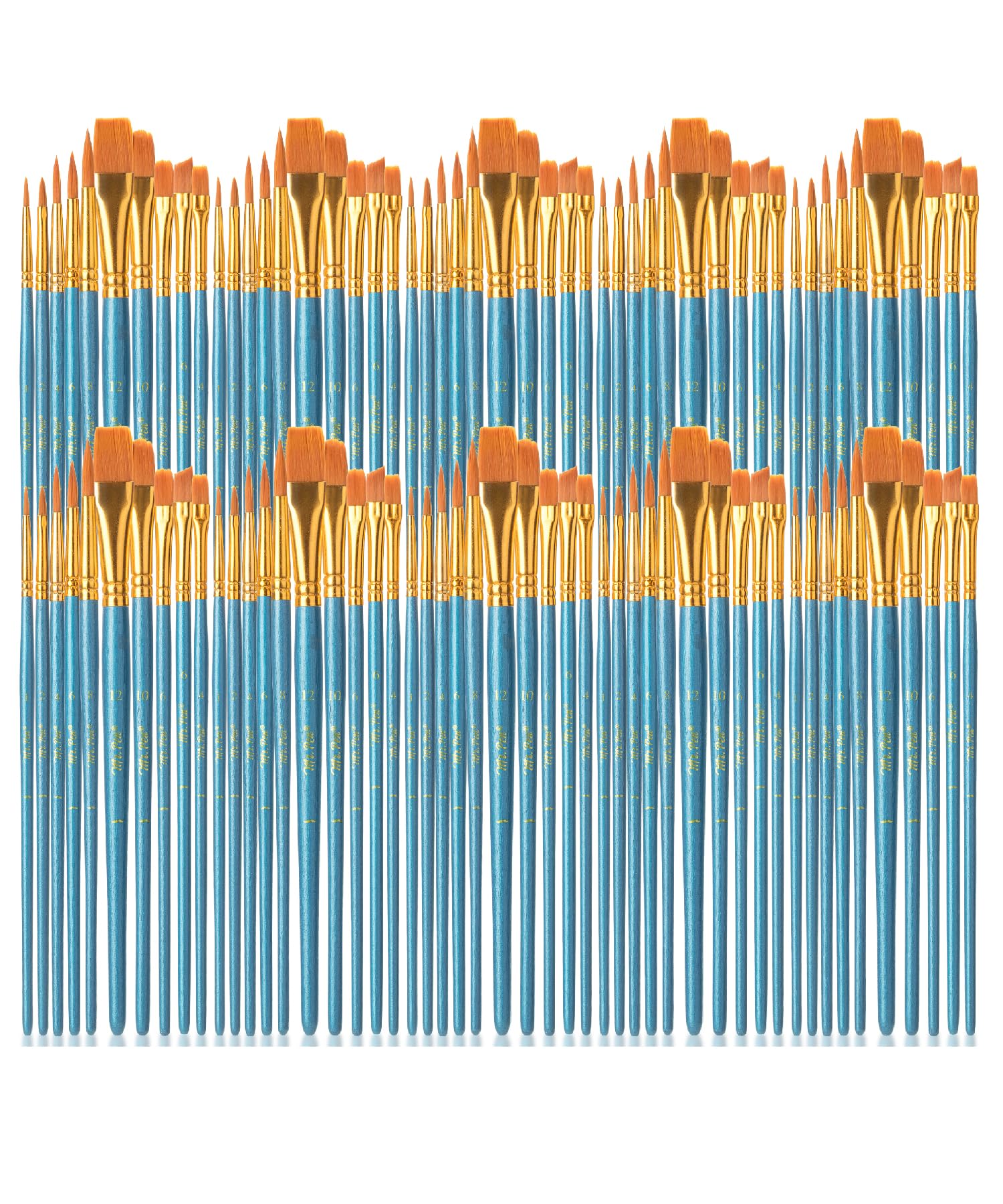
- The set has 100 brushes in a variety of shapes and sizes.
- Synthetic bristles are designed for smooth, even application.
- Suitable for acrylic, watercolor, oil, and craft painting.
Best Gift For: An art student who shares supplies or needs a broad assortment of brushes for projects.
U.S. Art Supply Large Beechwood French Easel
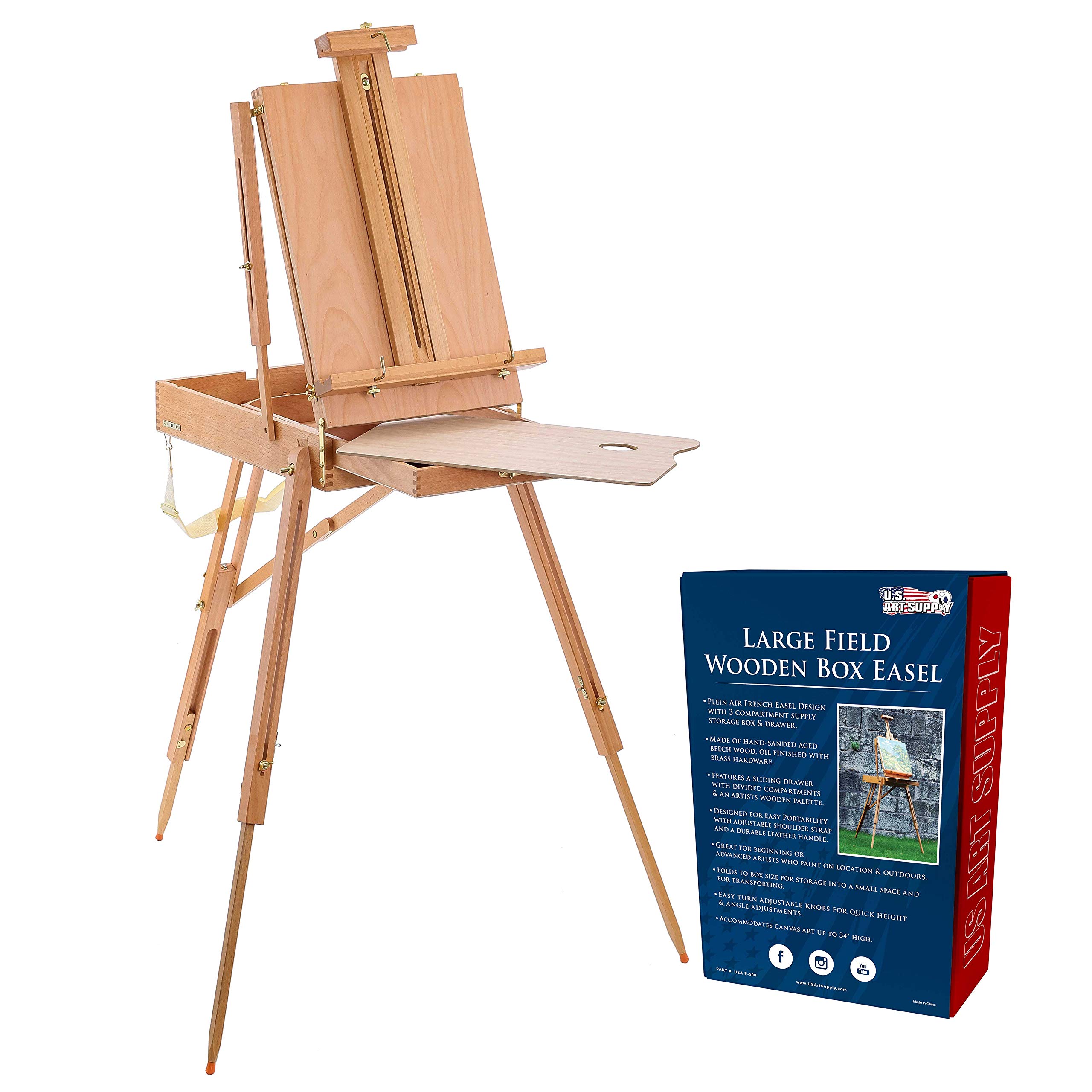
- The easel folds into a compact form with a handle and shoulder strap.
- The interior has three removable dividers and extra space below the drawer for storing art supplies.
- The wooden palette is included.
Best Gift For: A student who paints outdoors or wants an easel that can also serve as a studio stand.
U.S. Art Supply Artist Sketch Tote Board
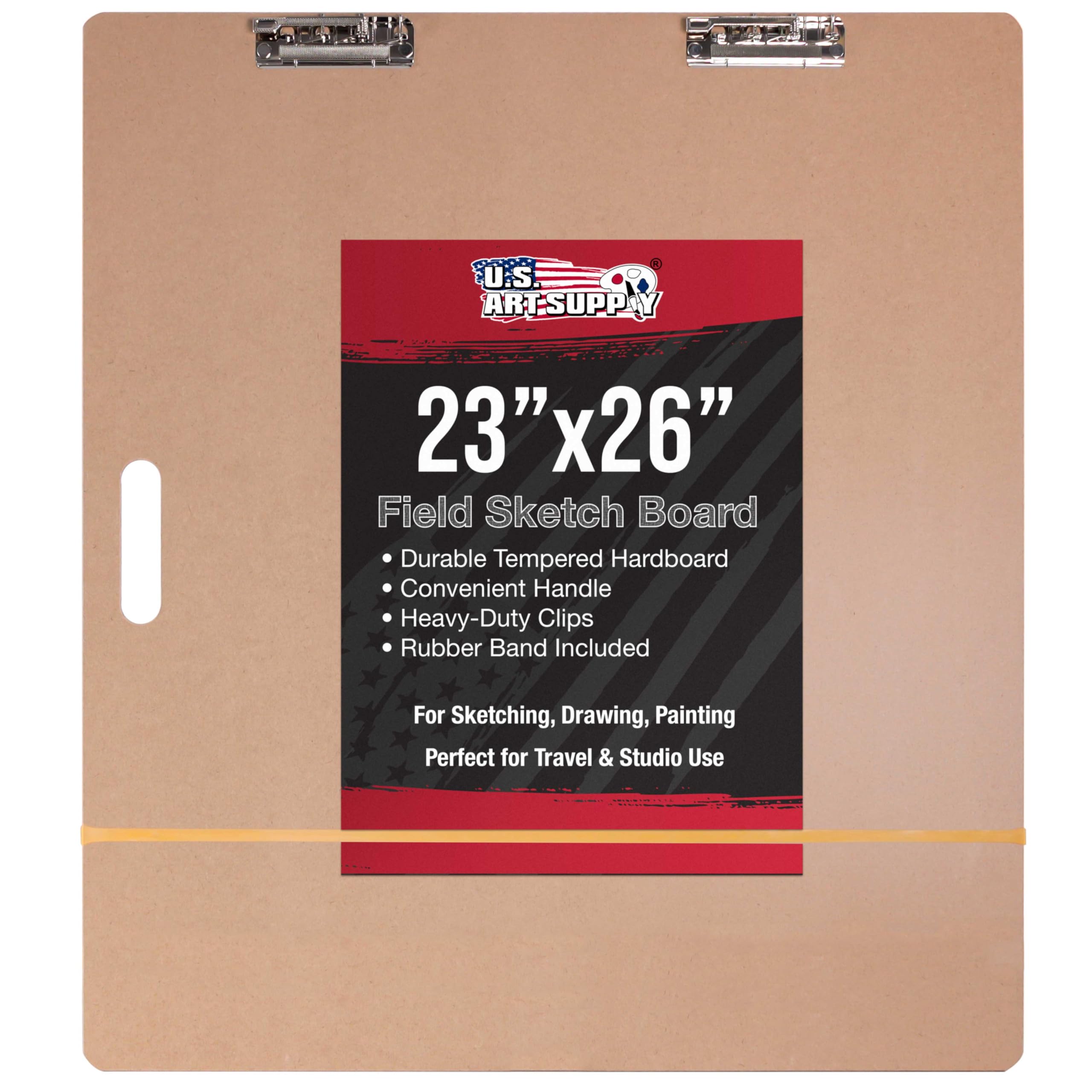
- The board has a built-in handle for carrying.
- A spring-loaded clip and elastic band hold paper or a canvas in place.
- The tempered hardboard provides a surface for sketching, drawing, and painting.
Best Gift For: A student who takes drawing materials to class, the studio, or outdoor sessions.
10X Rectangle Magnifying Glass with Light
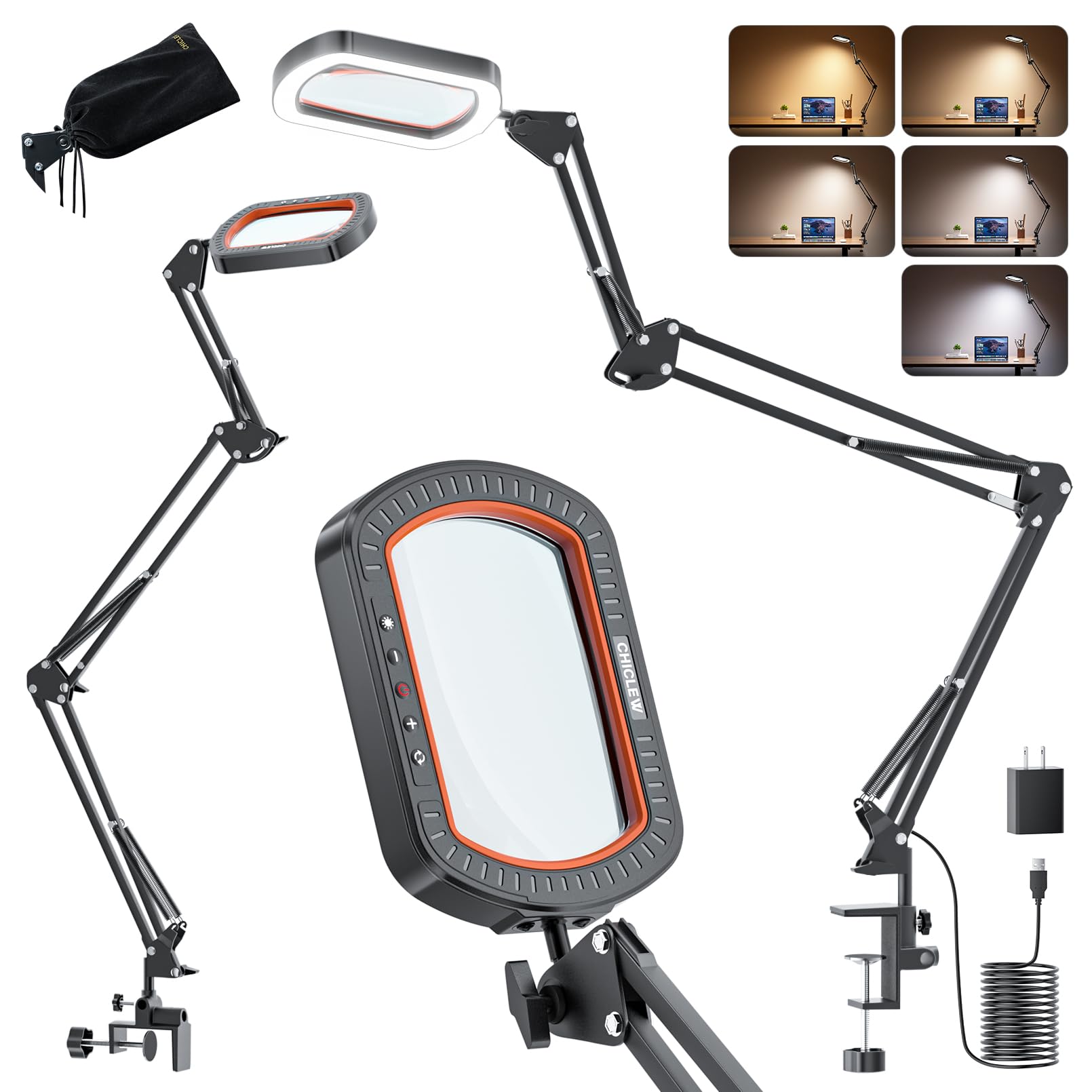
- The rectangular magnifying glass uses genuine glass lenses.
- The light offers five color modes and smooth brightness control.
- The clamp attaches to a desk, workbench, or table edge.
Best Gift For: An art student who reads small print or works on fine, close-up details.
Choosing gifts for art students by how they work
Start with the student’s current routine. Someone who sketches between classes may value fresh paper and portable supplies, while a painter working on larger projects may appreciate tools that support a dedicated work area.
When you are unsure, ask what materials they reach for most or notice which ones are nearly used up.
Consider whether they are exploring a new medium or deepening a familiar practice. A broad assortment can invite experimentation, while a focused supply may be more useful to someone who already knows their preferred tools.
For gifts for art students, the best fit often comes from matching a present to the work they actually make.
Think about where the gift will live. Dorm rooms and shared studios have limited space, while a student who regularly works outdoors may value easy transport and orderly storage.
A sketchbook or compact supply can fit a smaller setup; larger equipment calls for checking available room first.
Balance budget and usefulness
A thoughtful art gift can be modest or substantial. Everyday consumables may be a welcome small present, while a bigger studio addition can suit a family gift or a group contribution.
Set a comfortable spending range, then compare current prices and choose a gift that complements what the student already owns.
For gifts for art students on a tighter budget, consider a useful refill or a focused tool that rounds out an existing kit. A larger set may offer variety, but only if its materials match the recipient’s interests and they have room to store them.
Check actual prices before deciding, since prices can change.
If you are pooling money with others, agree on the kind of support the student would value: more practice materials, better organization, or a workspace upgrade. A coordinated contribution can be more useful than several overlapping supplies.
When possible, ask a classmate or family member what the student already has.
Personalize and present gifts for art students
Personalization can come from a short note about why you chose the gift. Mention a project they are developing, a medium they have been curious about, or the way they make time to create.
That detail makes even a practical supply feel connected to the recipient rather than chosen at random.
You can pair a primary gift with a simple extra that reflects their habits, such as a handwritten encouragement card or a small note about a class project you hope they enjoy. For gifts for art students, keep add-ons compatible with the recipient’s workspace and preferences; avoid assuming they use a particular medium unless you know.
Presentation can stay simple and useful. Reusable wrapping, a sturdy gift bag, or a ribbon around a sketchbook keeps the focus on the present without creating clutter.
If the item is bulky, include a card explaining the idea and let the recipient decide when to unpack or arrange it.
Check details before buying
Before ordering, read the current product details carefully. Confirm dimensions, included components, and compatibility with the student’s existing materials or workspace.
Paper and paint work differently across media, and a tool that suits one project may not fit another, so check whether the recipient’s usual supplies and plans align.
For a larger purchase, think through practical constraints: storage space, transport, surface area, and whether the item can be set up where the student works. If you are uncertain, ask the recipient or someone close to them.
A quick check can prevent a well-intended present from becoming difficult to use.
When comparing options, use the current price and product details rather than relying on old assumptions. Keep an eye on the estimated delivery date and choose a seller or item that fits your timing.
If the deadline is close, a digital note describing a planned gift can preserve the surprise while leaving time to confirm the right choice.
Last-minute gift planning
When time is short, favor a gift whose purpose is easy to understand and whose fit is already familiar. A student’s known favorite materials or a replacement for something they use often is easier to choose quickly than a specialized tool with uncertain compatibility.
Check the product page for current details and delivery estimates before placing an order.
If delivery timing is unclear, a handwritten card can explain the gift and give the recipient a chance to confirm dimensions, preferences, or setup needs. This works especially well for a larger workspace item, where personal choice matters.
You can also plan a local pickup or a shared shopping trip if that suits both schedules.
Keep the note warm and specific. Tell the student you hope the gift supports a project, gives them room to experiment, or makes a familiar routine more comfortable.
A practical present becomes more personal when it recognizes the time and care they put into learning and making art.